



1 November 2026 · Articles
PRESERVING FOOD: A TRADITION THOUSANDS OF YEARS OLD
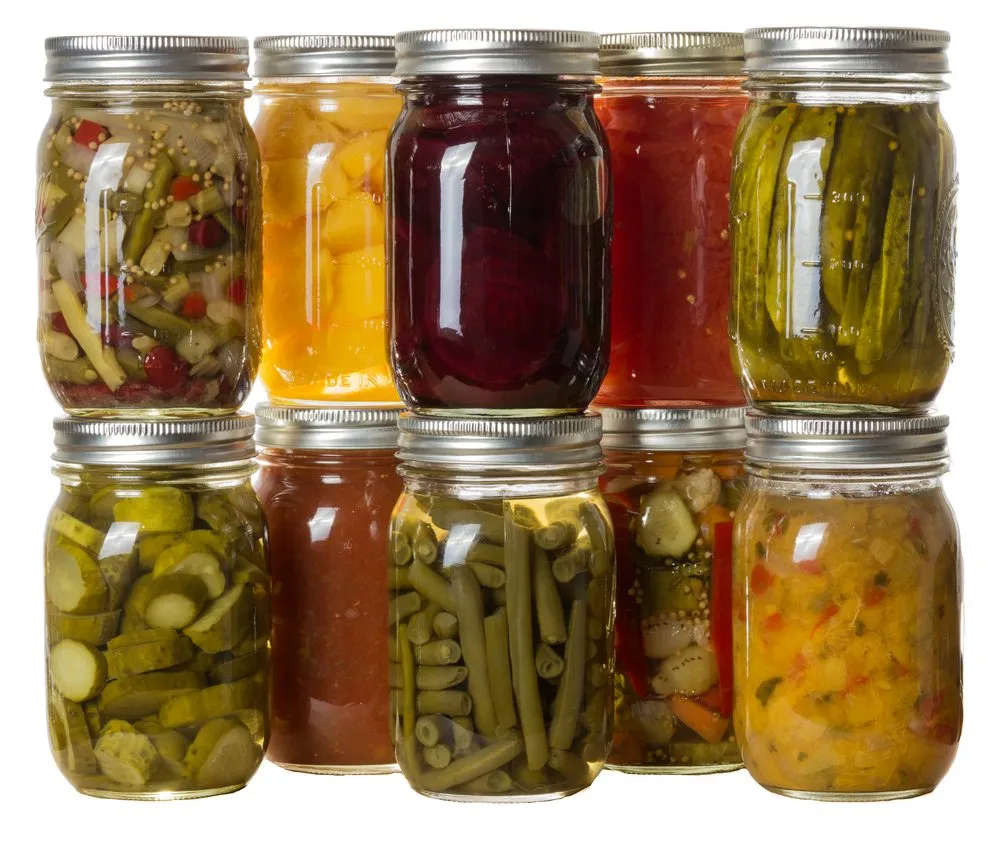
The history of food preservation is closely bound up with human evolution, for it has been a fundamental practice for survival.
Preserves? Yes, a classic: grandmother's jams.
Mmm... plum tomatoes, tinned peas, sun-dried tomatoes, tuna in oil, walnuts, peanuts, almonds, pickled sardines, peaches in syrup, pâté “with fine herbs", salt cod, macaroni, dry-cured longaniza sausage...
Have you ever stopped to think how much of the food that fills your pantry or fridge is fresh? How much has gone through a preservation process to extend its life and preserve its nutrients?
What would become, for example, of the Italians without pasta or of the Chinese without noodles? Many dried foods are so common that we are unaware of the techniques that put them so easily at our disposal.
In the beginning, food obtained by gathering, hunting and fishing was eaten in situ.
With the advent of agriculture and livestock farming came the need to set aside part of the produce, and this has proved fundamental for survival through freezing winters, prolonged droughts, epidemics and periods of scarcity or war.
Food storage containers and preservation methods
The rooms or containers where food was kept in the past were a matter of adaptation: granaries to protect grain from rodents in the Neolithic; dug-out pits, covered over, to keep food away from animals; the depths of caves as colder places in which to store food, and so on. Until the discovery of ceramics around 6,500 BC, leather skins were used for liquids, and wooden containers or baskets for solid foods.
It is more than likely that the first (rudimentary) preservation techniques came about by chance, from observing that elements such as air, sun, salt, fire and ice had various effects on food, prolonging its life.
The earliest accounts of salting and smoking techniques come from the Egyptians.
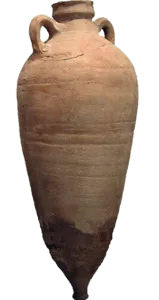
We know that the Romans kept wine in hermetically sealed amphorae. The peoples along the shores of the Mediterranean dried vegetables and fish in the sun, and made preserves from the entrails of the latter (the famous garum), which were kept in sealed amphorae.
And so adaptation, observation and necessity have made possible today a tremendous variety of methods, many of them thousands of years old. Tradition and innovation put within our reach foods that are dried, salted, cured, smoked, in vinegar, pickled, marinated, in escabeche, fermented, preserved with sugar or alcohol, bottled, tinned, vacuum-packed, frozen…
Long before the invention of the refrigerator, in Victorian times, the wealthy had stone chambers (ice houses) built, which they filled with ice brought by ship from the North, to keep their food through the summer. But they were not the first: in Mesopotamia this technique was already in use 4,000 years earlier, and shortly afterwards by the Egyptians, Greeks, Persians and Chinese.
Pickles became tremendously fashionable in sixteenth-century England: onions, eggs and walnuts. The pickle par excellence, however, is the gherkin. The English word “pickling” comes from the Indo-European root peik, meaning “pointed”. That is just how pickles taste to us, owing to their high acid content. And this preservation technique works, basically, because microbes do not like acid.
Atanasius Kircher, Nicholas Appert, Louis Pasteur
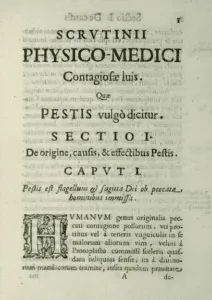
The greatest advances in the development of preservation techniques began in parallel with the invention of the first microscopes and the study of microorganisms. The German Jesuit scholar Atanasius Kircher, “the master of 100 arts”, wrote 158 volumes on the most varied subjects, including, incidentally, two important ones on music –Musurgia Universalis–, musical therapy and the invention of the "cat piano". He was the first to put forward a microbiological theory of plagues, blaming "small external organisms" for infections. And he did so as early as 1658 in his Scrutinium Physico-Medicum.
But the great revolution in food preservation came at the end of the eighteenth century in France, when Napoleon offered a prize to whoever could make his troops' food keep for a long time. Nicolás Appert discovered sterilisation empirically: by boiling food inside a sealed container, it remained unspoiled for long periods, retaining all its aroma and flavour. He thus became a supplier to the French navy, and in 1810 published L'art de conserver, pendant plusieurs années, toutes les substances animales et végétales.
The curious thing is that his success was interpreted as the result of removing air from the container rather than of the microorganisms present. It was not until 1880 that Louis Pasteur finally explained the principle of the method scientifically, revealing the existence of those microorganisms that cause food to spoil. Hence "pasteurisation": a method by which toxic bacteria (such as those of the species Clostridium botulinum) are eliminated through heat treatment.
War and the canning industry
For feeding troops or the civilian population, tinned food was the ideal product: easy to transport, very long-lasting and ready to eat, from the tin to the mouth with no need for a stove.
In Spain, several regions experienced a surprising industrial development for this reason: In the Arousa area, the Civil War laid the foundations for an increase in the consumption of shellfish during the difficult period between 1930 and 1950. Fish in oil was an important source of protein, and the authorities of the Nationalist side pampered the sector. + info During the First World War, La Rioja became the granary of Europe. In the trenches and in the towns and cities at war, peppers, peas, tomatoes, peaches... were consumed. The boom changed the social structure of the province. + infoTechnological advances of the twentieth and twenty-first centuries
During the twentieth century, industry developed ever more sophisticated machines in the fight against microorganisms, and great advances were made in the preservation of every kind of food.
New techniques such as freezing allow other ways of consuming food, and galvanised tinplate containers, cheaper and easier to transport, compete with glass ones.
In the second half of the twentieth century a new industry developed: that of preservatives, food additives –chemical or natural– that halt the deterioration caused by bacteria, yeasts and moulds. The Codex Alimentarius now lists more than 5,000 substances.
At the end of the twentieth century, packaging such as the tetra-brik was discovered and plastic polymers entered the scene, coexisting with traditional containers.
Research and development into new food irradiation techniques and the biotechnological manipulation of the twenty-first century are taking the possibilities of preservation to unimagined limits.
Nevertheless, the making and eating of home-made and artisanal preserves is currently in vogue, as a stand against the contamination of food with additives, which often seeks maximum profitability at the expense of quality.