



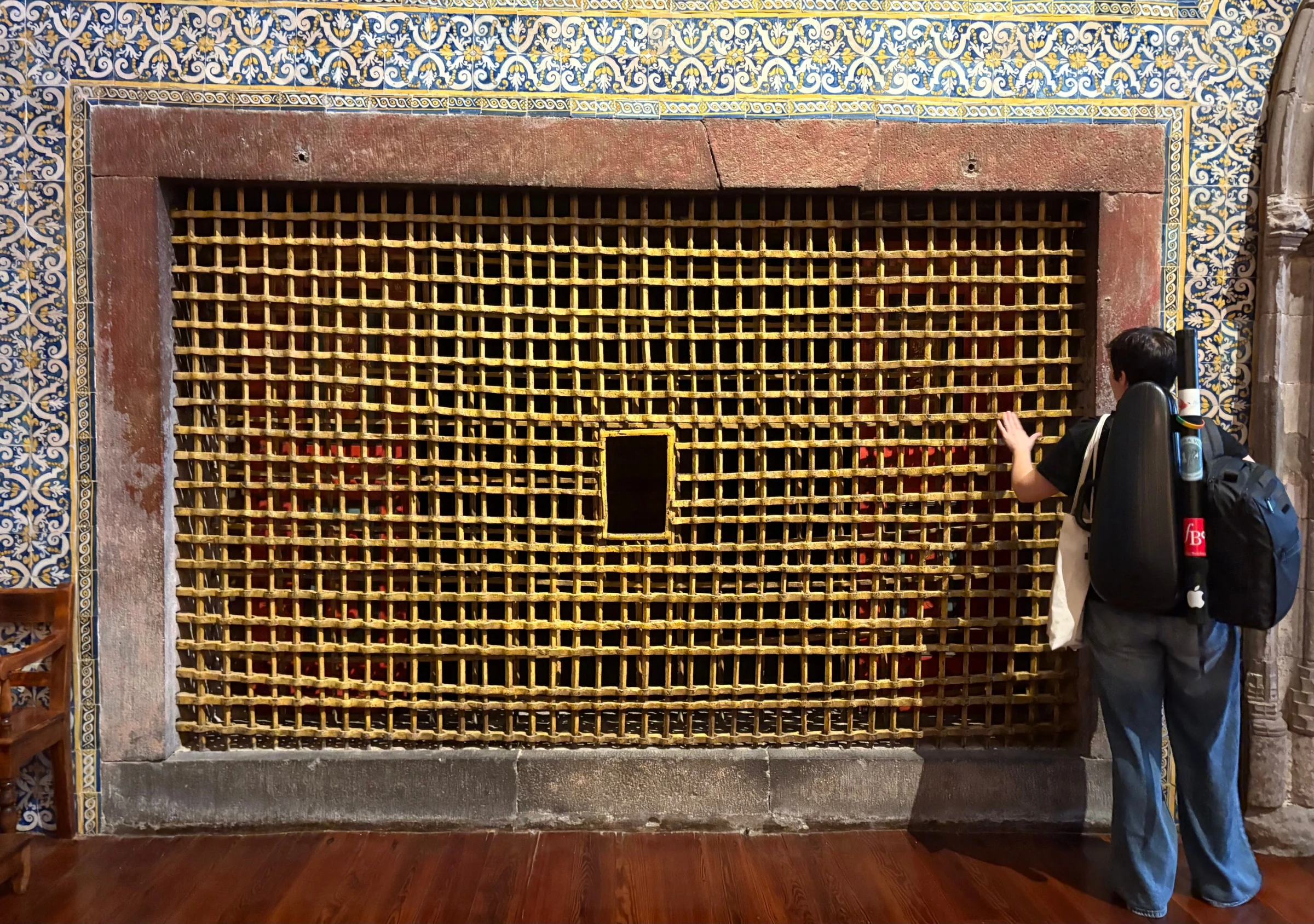
LILITH
WOMEN AGAINST THE CURRENT
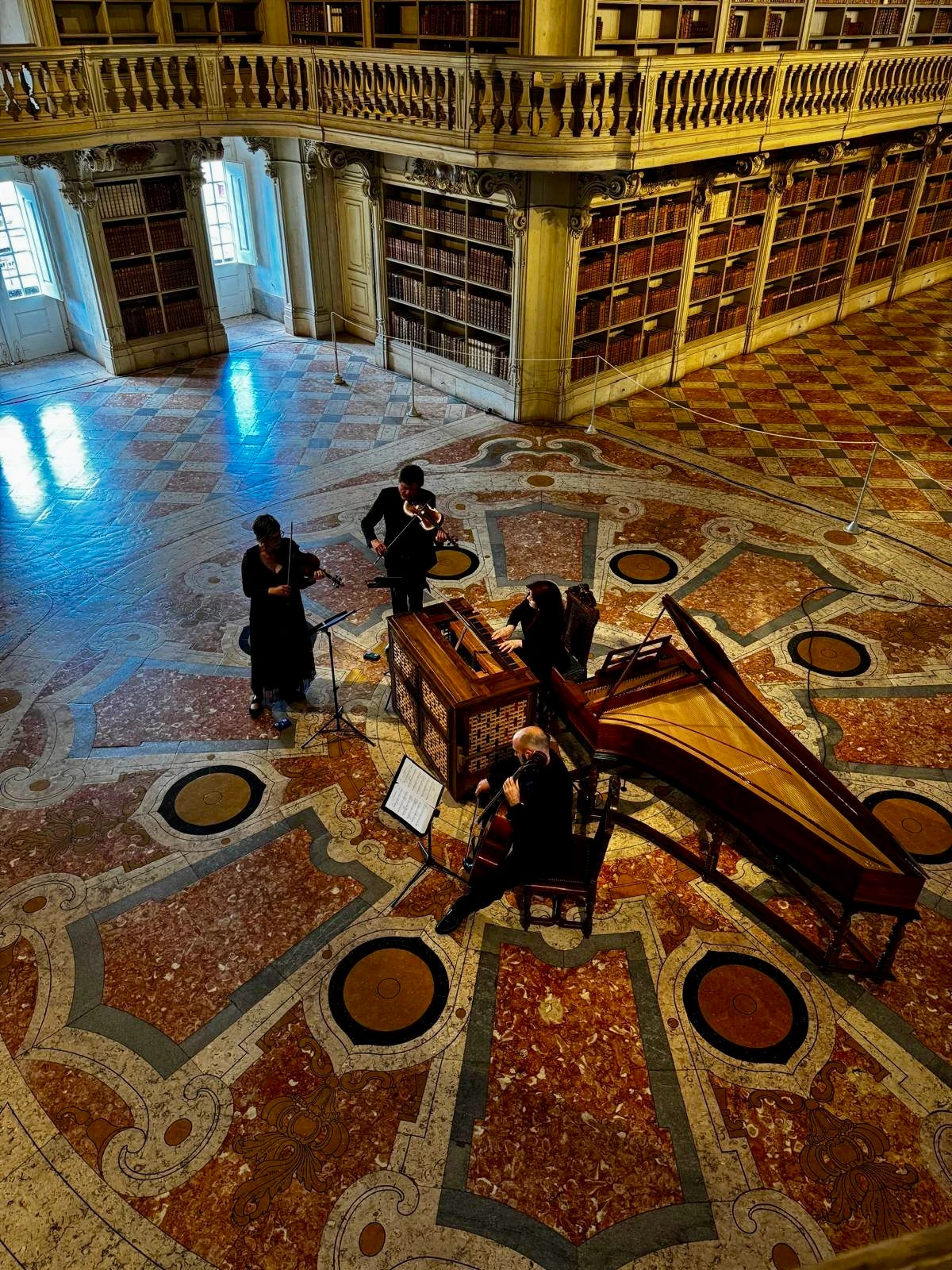
LOREA ARANZASTI | BAROQUE VIOLIN
ANTONIO CLARES | VIOLA DA BRACCIO
GUILLERMO TURINA | BAROQUE CELLO
SILVIA MÁRQUEZ CHULILLA | HARPSICHORD AND ORGAN
«I wish to show the world, as much as I can in this musical profession, the erroneous vanity of men who believe that they alone possess the gifts of art and intellect, and that these gifts are never given to women.»
Maddalena Casulana (c. 1544-1590) Morir non può il mio cuore - La Tempestad
Going against the current, in defiance of every convention of her time –pursuing a musical career outside domestic training was exceptional for a woman–, she could do nothing but dedicate her life to music.
Thanks to her family's friendship with the librettist Pietro Metastasio, she studied piano with Joseph Haydn and singing with Nicola Porpora. A pianist, singer and composer, she did not practise these trades professionally, which would have been unacceptable for her social class; she was regarded as a high-level amateur, and hosted musical soirées –Akademien– in her salons.
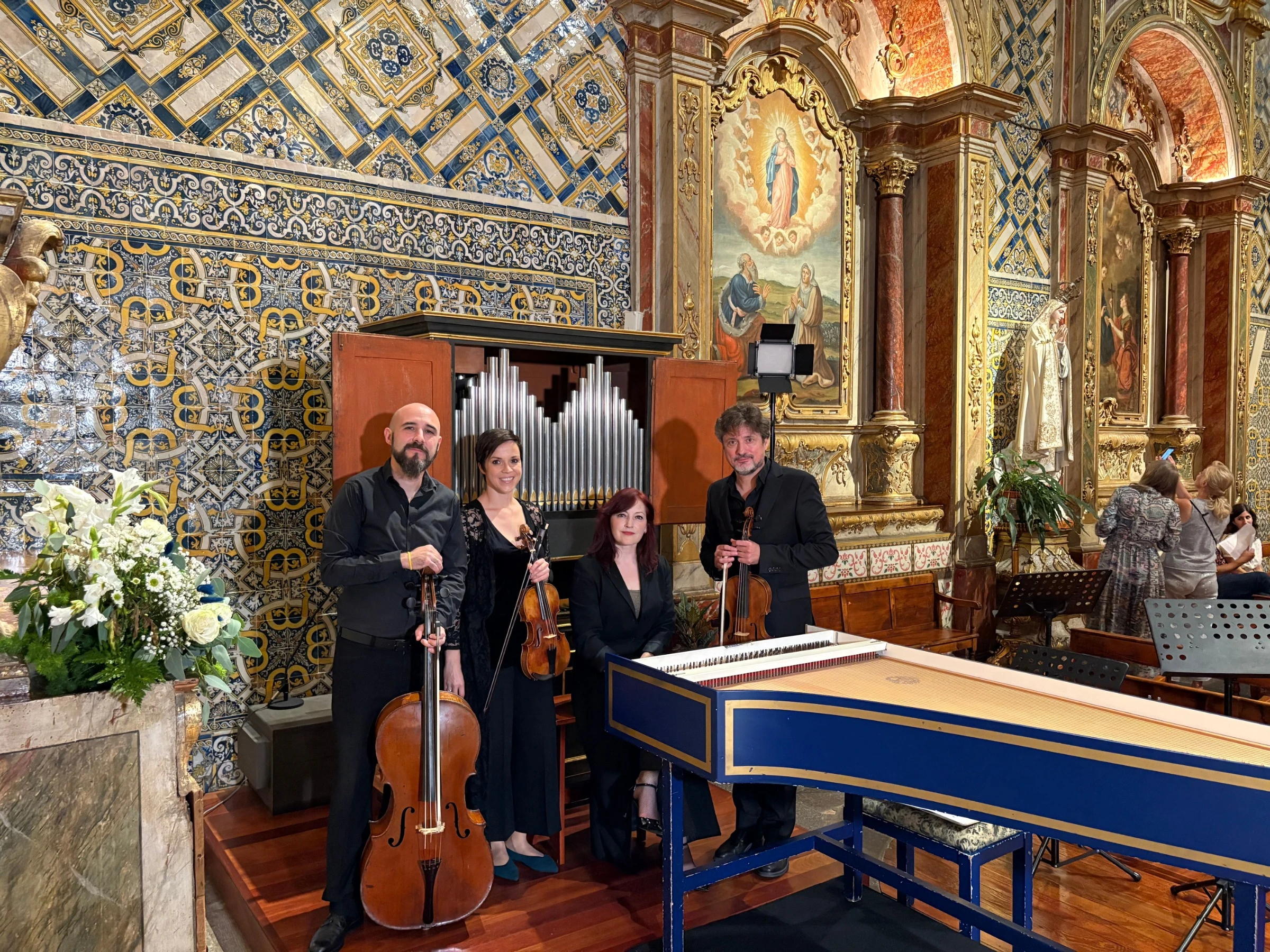
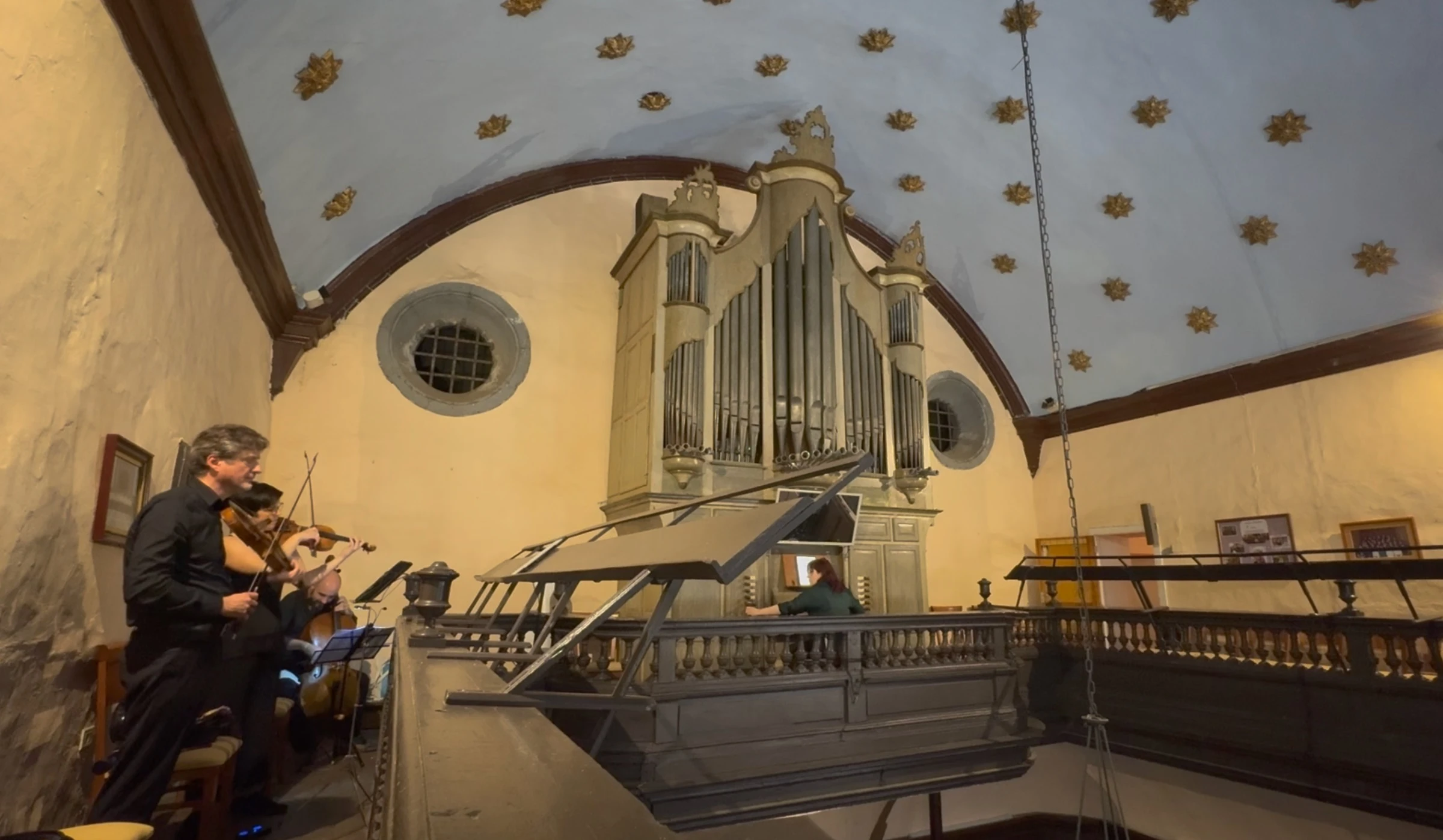
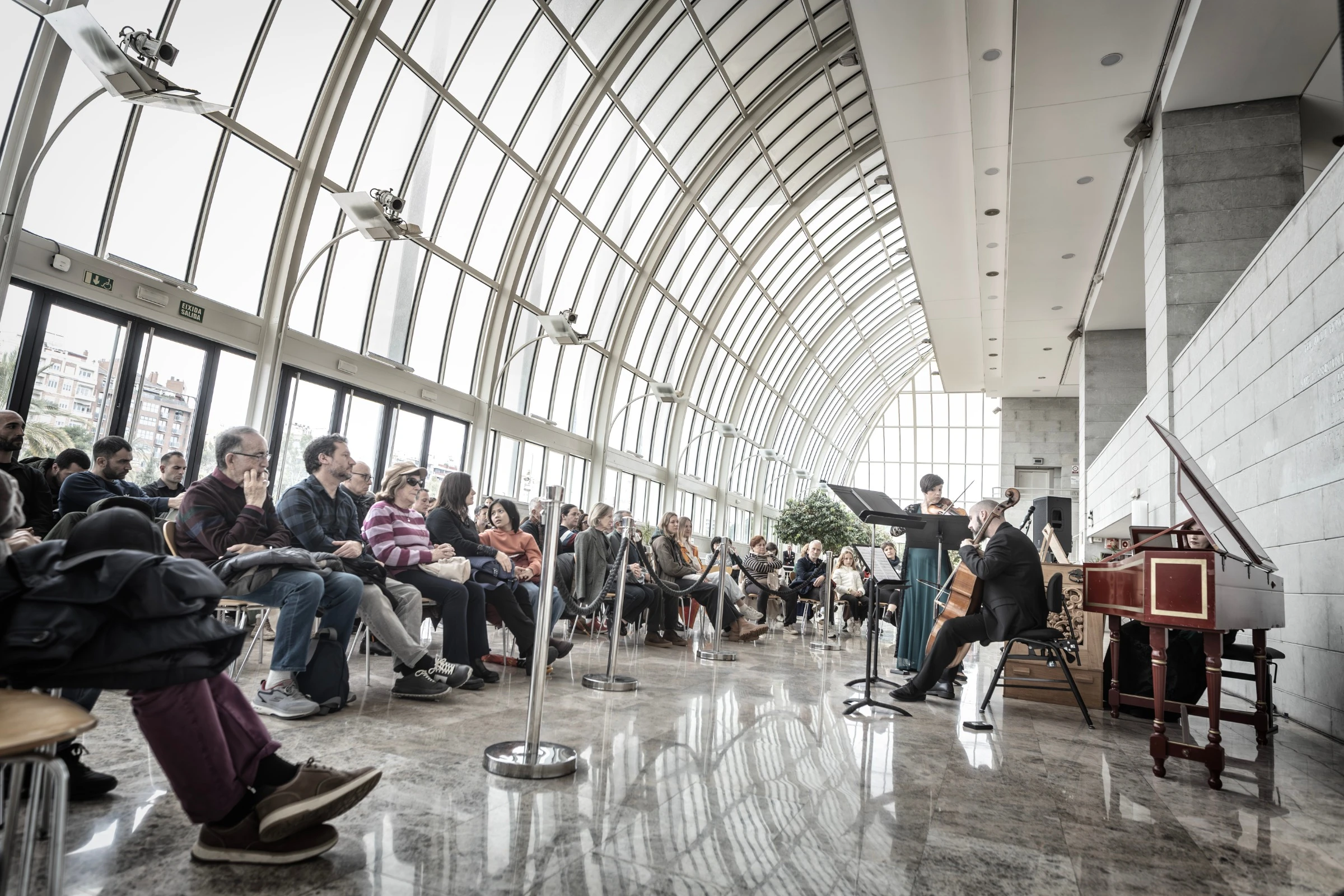
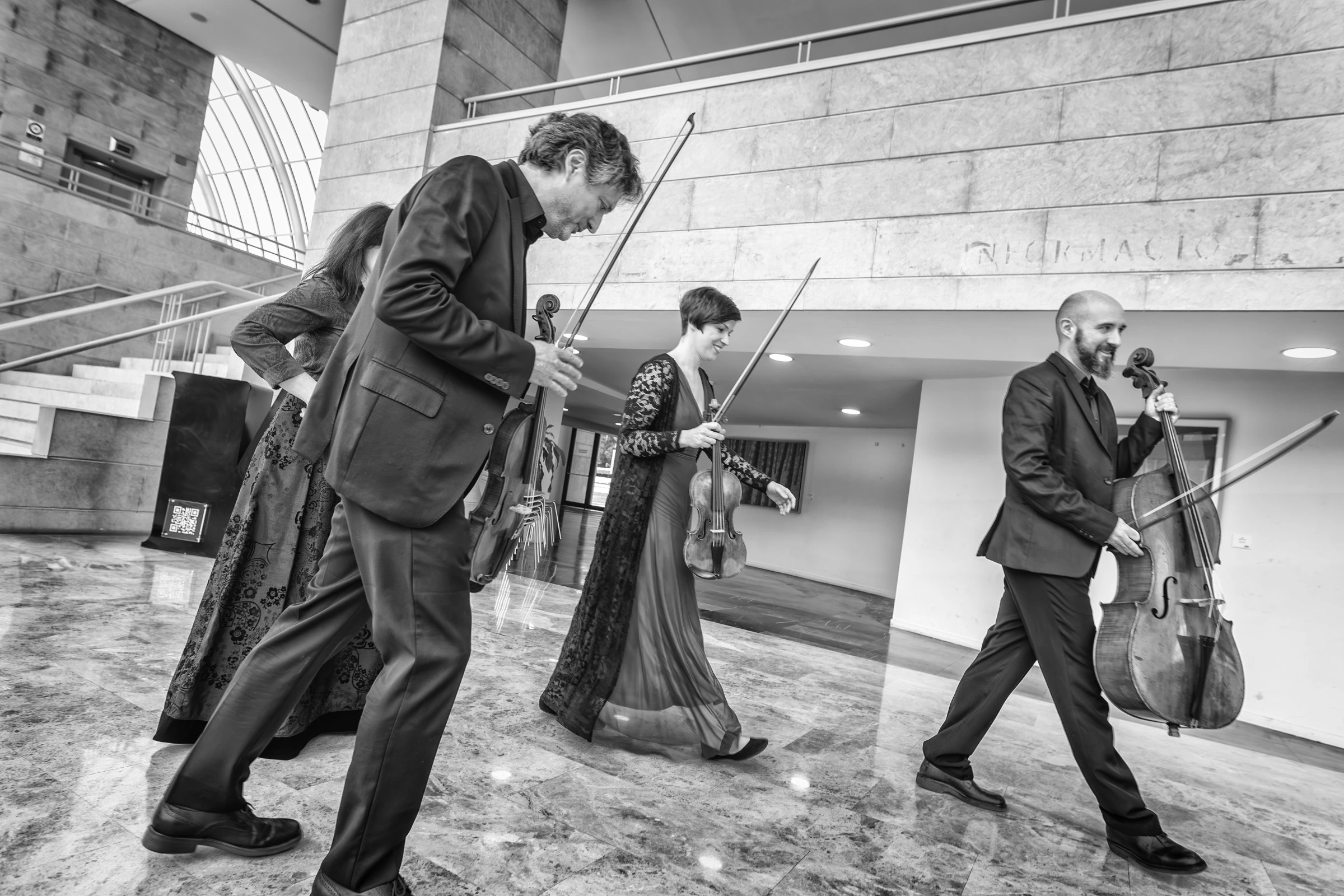
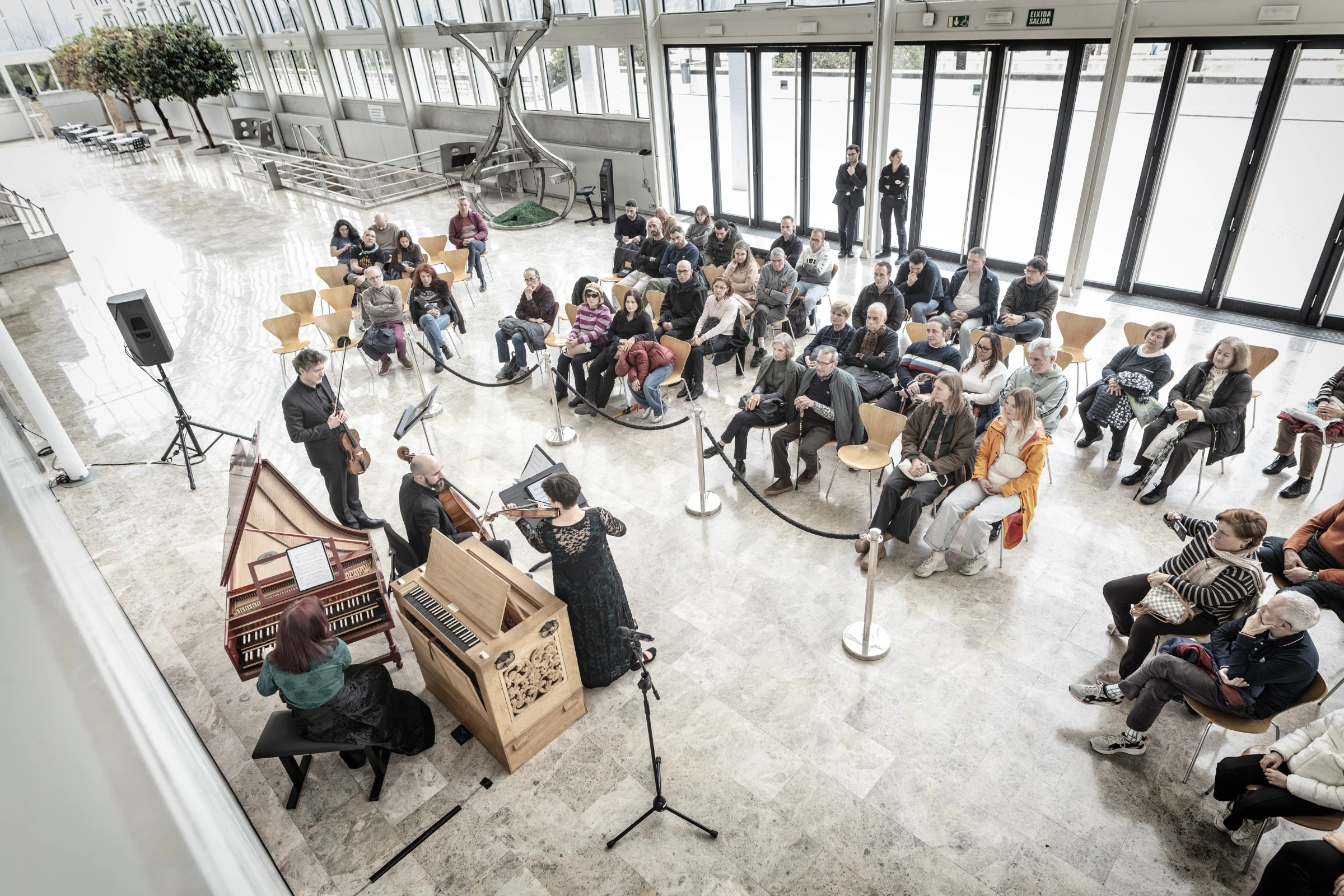
A chamber music programme featuring the work of women composers and organists of the 16th, 17th and 18th centuries.
"The first woman whose work was published in Europe."
"Although she was a talented amateur, she probably received tuition from John Bull."
"The first woman to write an opera-ballet."
"The first of these collections, her Op. 1, attracted a list of more than two hundred subscribers (among them the Prince of Wales and none other than George Frideric Handel!)"
"Consecrated as a nun in 1639, her position within the church allowed her to develop her talent in an environment that would otherwise have been restrictive for a woman."
Who were all these women, whose profiles are drawn by the rigid social conventions that imprisoned their art?
Let us listen to astonishingly beautiful or powerful compositions by women who managed to forge a path in times hostile to female creativity.
Artistic details
Baroque violin | LOREA ARANZASTI
Viola da braccio | ANTONIO CLARES
Baroque cello | GUILLERMO TURINA
Harpsichord, organ and artistic direction | SILVIA MÁRQUEZ CHULILLA
Technical specifications
Audience: general
Duration: approx. 60 minutes
TECHNICAL REQUIREMENTS:
Production requirements will be agreed with the promoter after reviewing the proposed venues, taking into account the following points:
To be provided by the promoter:
2 piano stools (or similar, adjustable).
3 music stands
Concert lighting (to be checked during the dress rehearsal or sound check)
At least 2 dressing rooms (or equipped spaces, with toilet and towels). In any case, sufficient dressing rooms, depending on the number of performers in the programme
Water
Small table or counter for the sale of albums
Complimentary tickets: 2 per performer + 1
Keyboard instruments:
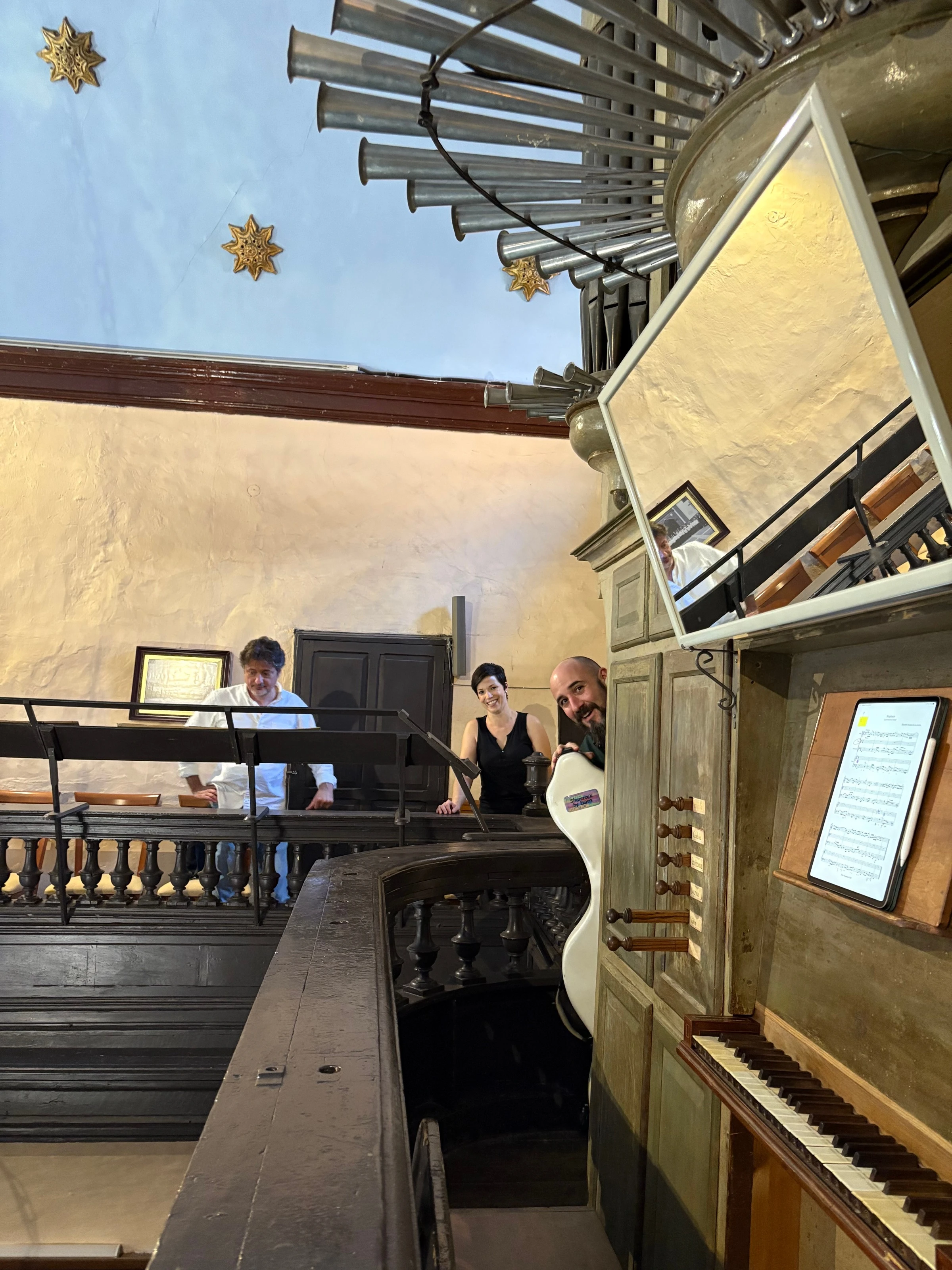
Baroque organ. The programme works especially well on historic organs of the Iberian type, although it can be performed on later organs or on positive organs.
To show the repertoire and the different styles represented in the programme to their full extent, it would be desirable to have a two-manual harpsichord with a compass of F-f’’’ and registers of 8', 8'', 4' and lute.
The company, through Tecla Antigua, can supply instruments and tuning if necessary, in which case the terms will be discussed. The promoter must provide loading and unloading staff.
It is understood that the promoter is responsible for the maintenance and tuning of the historic organ provided for the contracted concert, before the musicians arrive.
The harpsichord must be tuned before each rehearsal and immediately before the concert, so it is essential to have 30/40 minutes of silence for tuning before the doors open.
REHEARSAL/SOUND CHECK SCHEDULE:
Rehearsals on days to be agreed with the promoter in the town of the concert.
Minimum availability of 3 hours for unloading, set-up, tuning of the instrument and rehearsal + 1 hour of sound check/lighting check at the venue on the day of the concert.
The sound check must necessarily finish two hours before the start of the performance, so that the harpsichord (where applicable) can be tuned before the concert (which will foreseeably take 30/40 minutes with ambient silence, always before the audience is admitted).